
Engineer social change in
Argentina
Join our supervised, field-based engineering programme combining technical practice, social responsibility, and community co-design.
Supervised Technical Practice
Community Co-Design & Ethics
Full Project Lifecycle Exposure


What is the CHE Programme?
CHE brings together engineering practice and social responsibility through supervised participation in community-led projects in Argentina. Working in partnership with Engineering Without Borders Argentina, participants engage with real-world engineering challenges within an explicit ethical and educational framework.
How does it work?
Participants work in small, supervised teams on ongoing community engineering projects led by our local partner. Fieldwork is combined with guided learning on human rights, sustainable development, and participatory design.
Framing Engineering
The programme frames engineering as a social, ethical, and political practice — not only a technical one. Participants explore how technical decisions shape communities, rights, and long-term development outcomes.
First programme · September 8–12, 2026
Our first programme is complete
In September 2026 we ran the first international CHE programme. Ten participants from Italy and Argentina spent a week with us: an academic day at UTN, followed by four days of hands-on work on two community projects led by EWB Argentina in La Boca and Tigre.
- Participants
- 10Participants
- Countries
- 2Countries
- UTN regional campuses
- 3UTN regional campuses
- Days
- 5Days
- Community projects
- 2Community projects
Participants share their experience
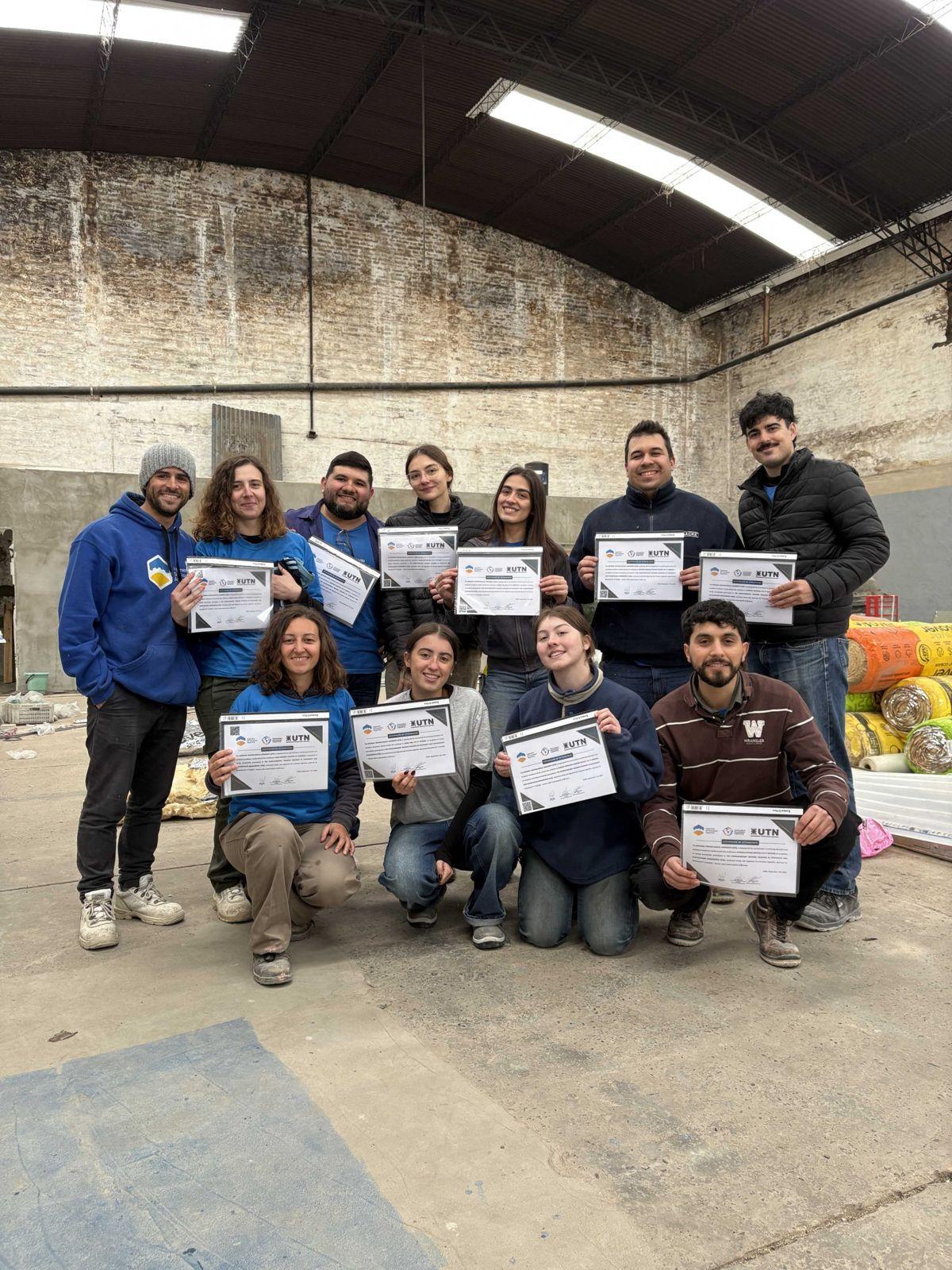
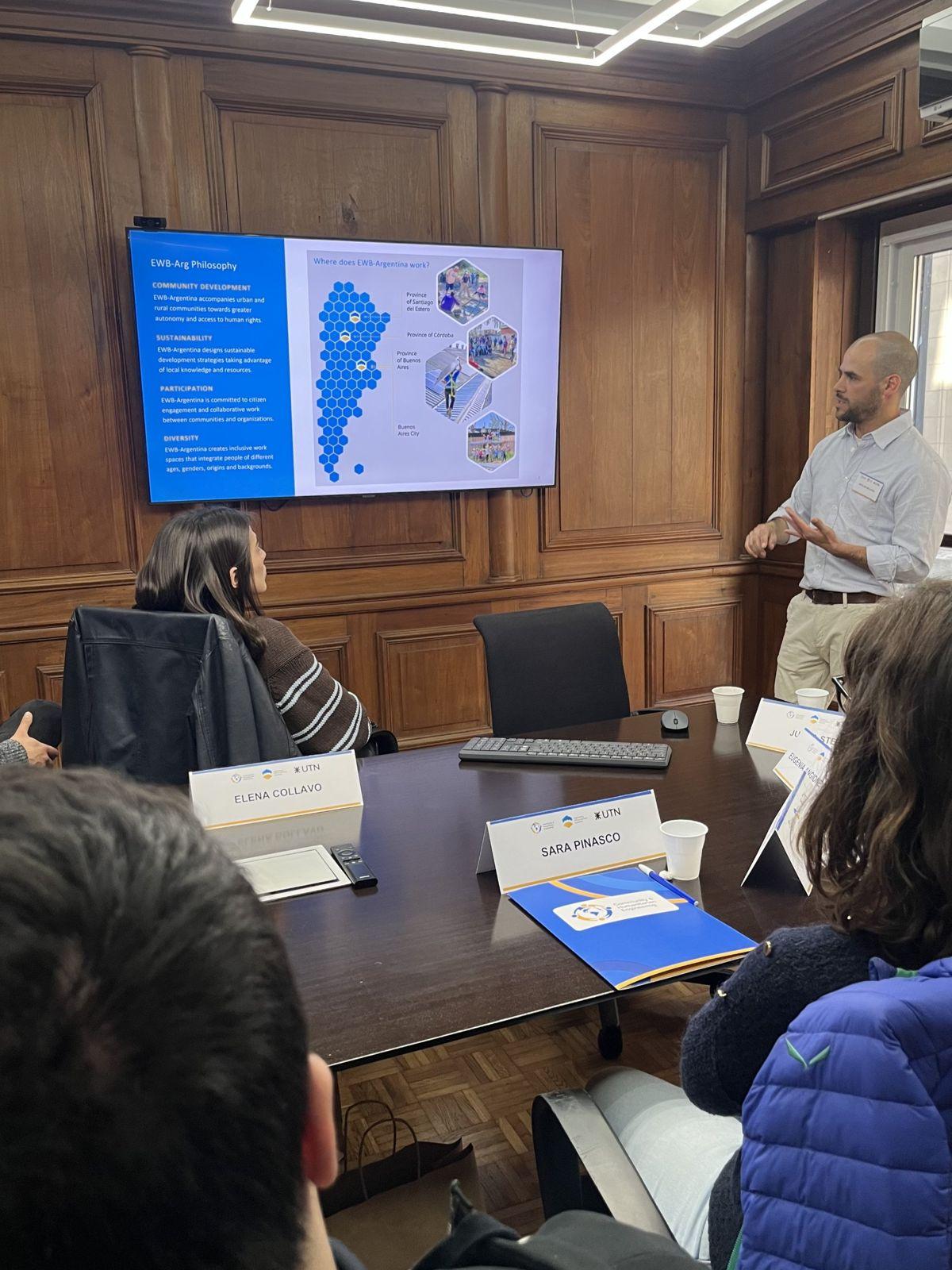
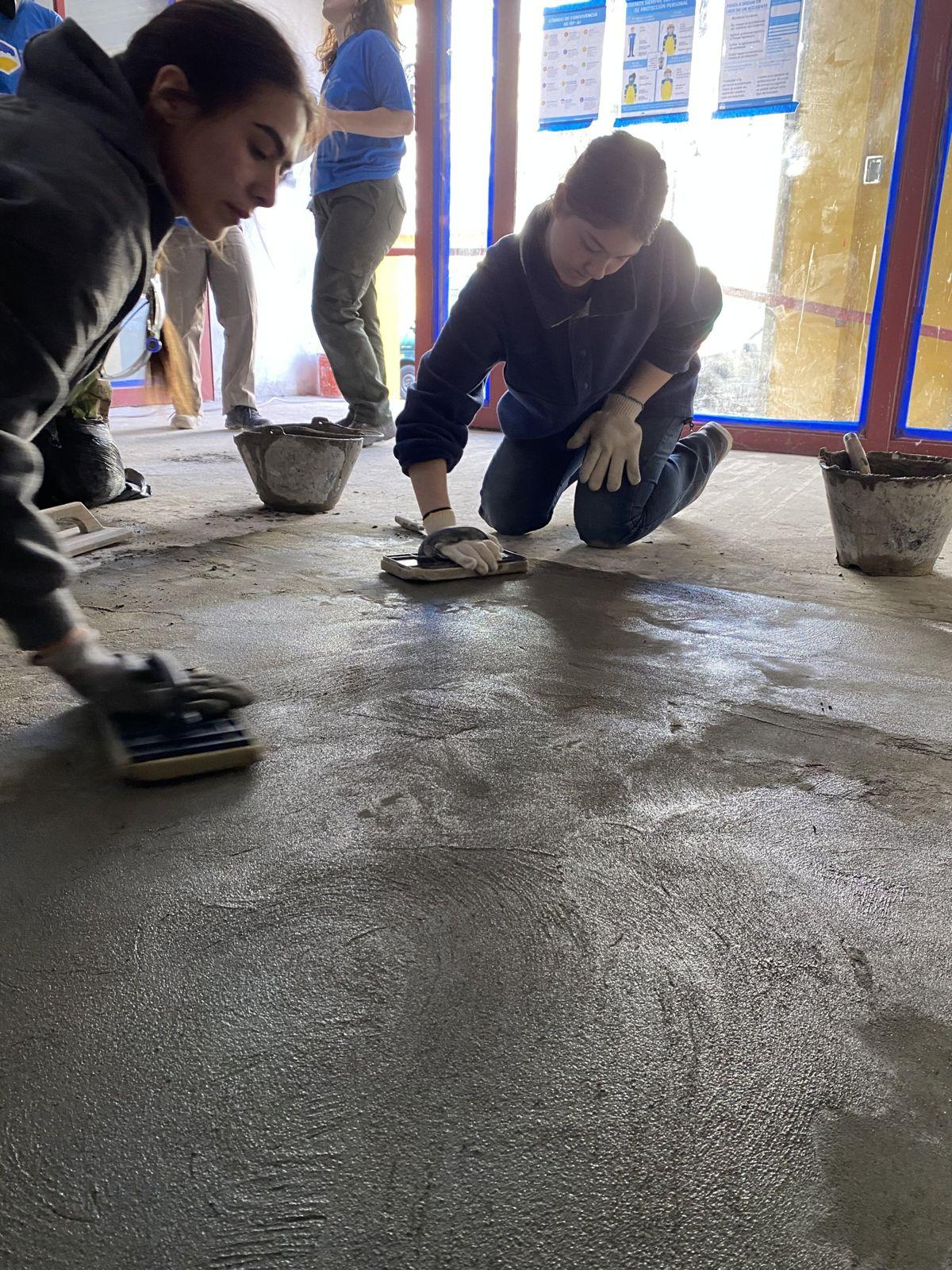
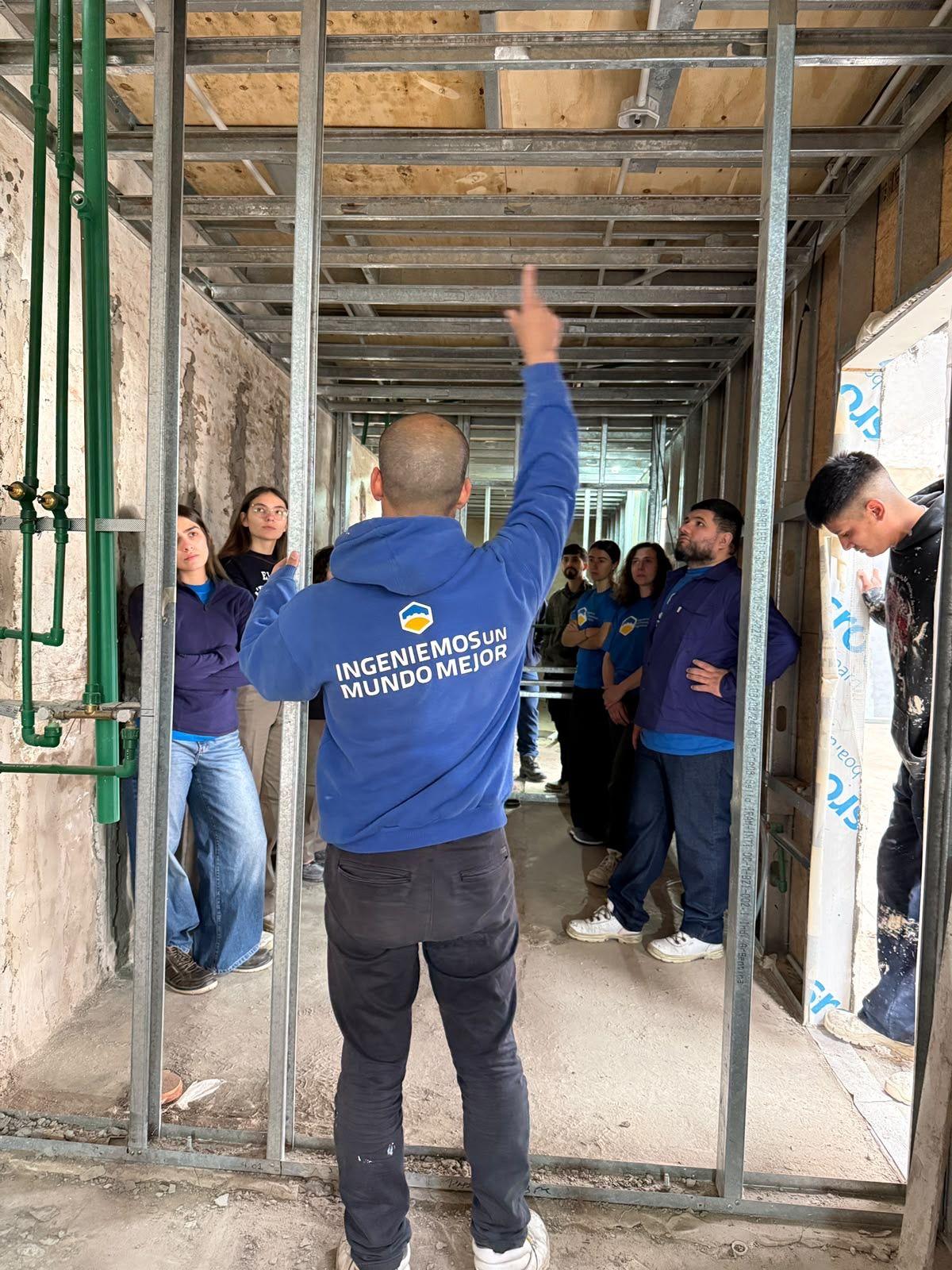
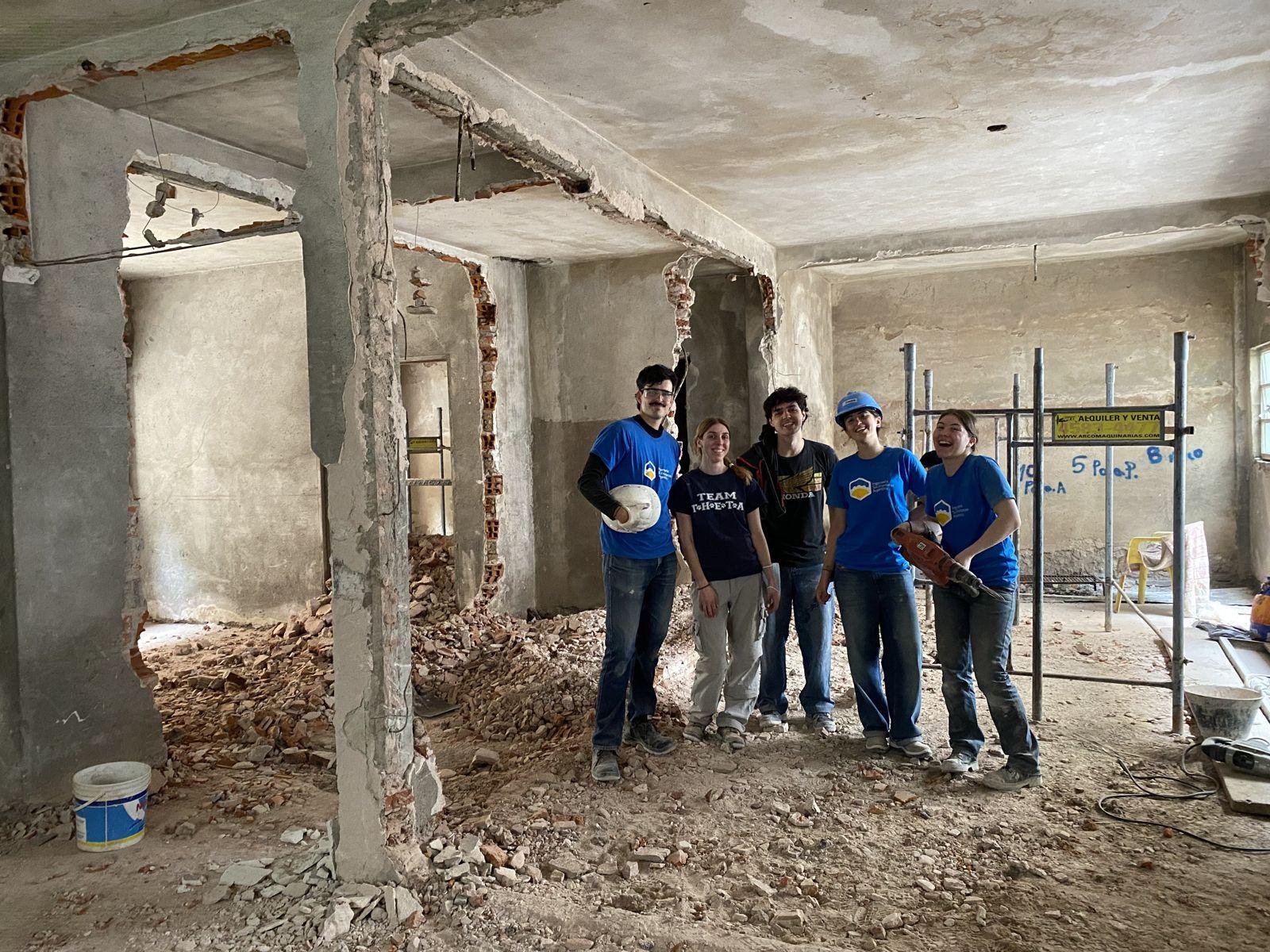
One programme down, many more communities ahead.
Made possible by Engineering Without Borders Argentina, which leads the projects on the ground, and Universidad Tecnológica Nacional, which provided academic backing and certified the programme.
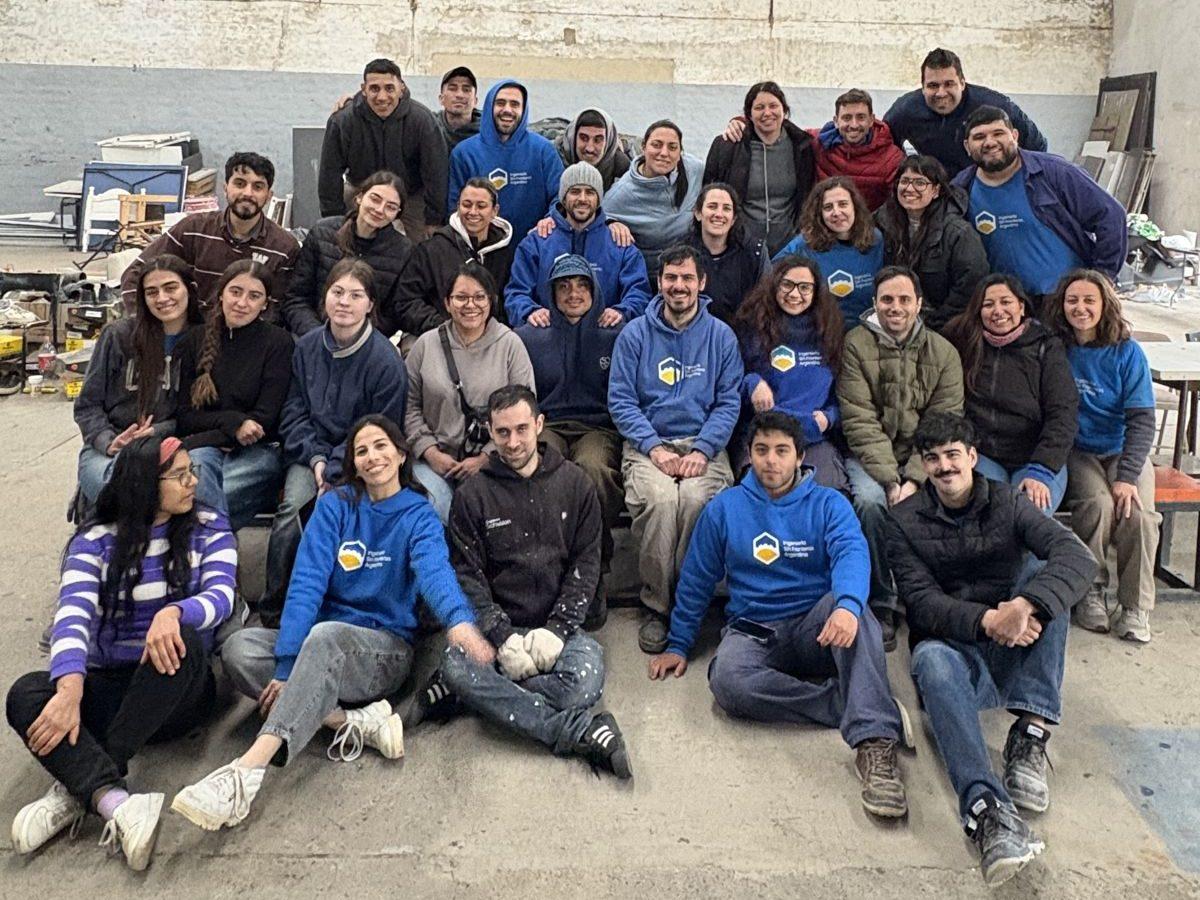
Why Choose CHE?
We've designed every aspect of our programme to ensure a safe, supervised, and professionally and personally enriching experience.
Structured Field-Based Learning
Supervised technical practice combined with community engagement and co-design methodologies.
Community-Led Impact
Projects are defined and prioritised by local communities, ensuring sustainable and ethical outcomes.
Contextual Understanding
Participants engage with each project's social and institutional context, gaining a clear understanding of engineering's real-world impact.
Small Cohort Model
Work in groups of 10–15 participants for better supervision, richer learning, and stronger peer connections.
Technical & Institutional Support
Dedicated coordinators provide guidance, training, and oversight throughout the programme.
Legal Ethical & Safety Framework
Structured risk management, insurance coverage, and compliance with national volunteering regulations ensure peace of mind.